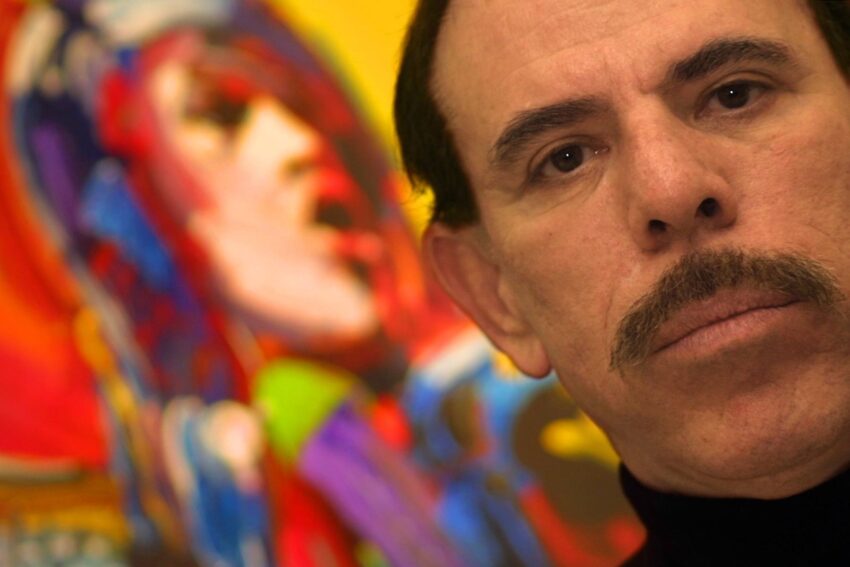
Peter Max, the celebrated artist whose vibrant psychedelic imagery became closely associated with the cultural spirit of the 1960s, has died at age 88.
Max died on September 14, 2026, at a hospital in New York City, according to reports citing his son and his representatives. His death was announced publicly this week.
His colorful artwork, filled with vivid stars, planets, rainbows, figures and cosmic imagery, became one of the most recognizable visual styles of the late 1960s and continued to influence American popular culture for decades.
Peter Max Cause of Death
Peter Max’s death came after he had been living with advanced dementia. Current reports do not identify a separate immediate medical cause of death.
He was 88 years old.
The later years of Max’s life were marked by declining health as well as legal and family disputes surrounding the management of his artistic career and business affairs.
Despite those difficulties, his artistic legacy remained highly visible through exhibitions, licensed products and the many works associated with his distinctive style.
Peter Max Obituary Details
| Detail | Information |
|---|---|
| Full name | Peter Max Finkelstein |
| Known professionally as | Peter Max |
| Born | October 19, 1937 |
| Birthplace | Berlin, Germany |
| Died | September 14, 2026 |
| Age | 88 |
| Place of death | New York City, New York |
| Profession | Artist, painter and graphic designer |
| Known for | Psychedelic pop art and colorful commercial designs |
| Children | Adam Cosmo Max and Libra Astro Max |
| Cause of death | Reports state he had advanced dementia; no separate immediate cause was disclosed |
The Artist Who Defined a Colorful Era
Peter Max became internationally known for a visual style that emphasized bright colors, cosmic themes and exuberant imagery.
His work became closely associated with the flower-power and psychedelic culture of the 1960s, appearing on posters and consumer products as his popularity expanded.
His imagery eventually reached far beyond traditional art spaces.
Max’s designs appeared on products, transportation, promotional materials and major public events, helping establish him as not only a painter but also a highly recognizable commercial artist.
His work became particularly familiar to Americans who encountered his posters and colorful designs during the late 1960s and 1970s.
From Berlin to New York
Max was born Peter Max Finkelstein in Berlin on October 19, 1937, to a Jewish family.
His family fled Nazi Germany when he was a baby and eventually moved through several countries before settling in New York City when he was 16.
His childhood and adolescence exposed him to different cultures and artistic influences.
He studied art in New York, including at the Art Students League, and developed his skills before establishing himself professionally as a graphic designer and artist.
His early career included commercial design work, but he eventually moved away from advertising and focused increasingly on his own artistic style.
Peter Max and the 1960s
Max’s breakthrough came during a period when American popular culture was undergoing significant changes.
His highly saturated colors and imagery of planets, stars, flowers and human figures became visually connected with the era’s counterculture.
His posters became particularly popular, with millions eventually sold.
The combination of art and mass marketing made Max one of the most recognizable artists of his generation.
His work was not confined to galleries. It appeared on everyday objects and commercial products, helping bring his imagery into homes across the country.
Major Events and Projects
Over the course of his career, Peter Max created artwork associated with numerous major events and organizations.
He served as an official artist for events including the Olympics, Super Bowl, Indianapolis 500, World Cup and World Series.
He also created designs involving aircraft, cruise ships and other large-scale projects.
One notable chapter came in 1981, when Max was invited to the White House and painted a series of Statue of Liberty works.
He later created portraits of numerous public figures and continued producing artwork well into his later years.
His Connection to Popular Culture
Max’s artwork became part of American popular culture in ways that extended beyond the traditional art world.
His designs appeared on posters, clothing, household products and other merchandise.
He also became associated with musicians, celebrities and major cultural events.
His friendship with members of the Beatles and his broader connections to entertainment figures further reflected the reach of his work.
There has also been longstanding discussion about Max’s connection to the Beatles’ animated film Yellow Submarine. While his influence and early involvement have been discussed, the film’s official visual design is credited to Heinz Edelmann.
A Career That Extended Across Generations
One of the defining features of Peter Max’s career was its longevity.
Although his signature style became especially associated with the 1960s, his artwork continued to find audiences decades later.
His paintings were exhibited internationally, while his designs continued appearing in commercial and cultural settings.
The New York Museum of Modern Art holds several of his works, reflecting the continued presence of his art within major cultural institutions.
Max also continued working at an extraordinary pace for much of his career, producing large quantities of artwork and returning repeatedly to themes that had become closely associated with his name.
Peter Max’s Family
Peter Max’s first marriage to Elizabeth Nance ended in divorce.
They had two children, Adam Cosmo Max and Libra Astro Max.
Max later married Mary Balkin, who became known as Mary Max. Their marriage began in 1997.
Mary Max died in 2019.
Peter Max’s children are among those associated with his family legacy, while his son Adam was involved in announcing his father’s death.
Legal and Personal Challenges
Max’s later life also included significant personal and professional difficulties.
In 1997, he pleaded guilty to tax fraud after authorities alleged that he had concealed more than $1 million in income. He subsequently paid back taxes and a fine and completed community service.
Years later, disputes emerged involving members of his family, business advisers and people connected to the management of his studio.
Questions were raised about his finances, artwork and care as his health declined.
Those disputes became the subject of legal proceedings and extensive reporting, although they represent a separate chapter of his life from the artistic work for which he became famous.
Remembering Peter Max
Peter Max leaves behind an artistic legacy that became almost inseparable from the visual identity of an era.
His brightly colored paintings and graphic designs helped bring psychedelic imagery into mainstream American culture and introduced his distinctive style to millions of people.
For some, his work will be remembered through the posters that decorated homes and college rooms.
For others, it will be associated with major sporting events, public projects, commercial designs or museum exhibitions.
His influence extended across several generations, ensuring that his name remained recognizable long after the period that first made him famous.
Peter Max’s Artistic Legacy
Peter Max’s career demonstrated how an artist could move between fine art, graphic design, advertising and mass-market culture while maintaining a recognizable personal identity.
His imagery became part of everyday American life, appearing in places far removed from traditional galleries.
His death at 88 marks the end of the life of an artist whose work became one of the most recognizable visual signatures of the 1960s.
Although Peter Max is gone, the colorful universe he created through his art remains visible in the works and images that continue to carry his name.
Disclaimer
This obituary is based on current reports concerning the death of artist Peter Max. Reports identify September 14, 2026, as his date of death and state that he died at age 88 in New York City. Current reporting says he had advanced dementia, but no separate immediate cause of death has been disclosed. Details concerning his life, family and career have been summarized from published obituary reporting and should not be interpreted beyond the information established by reliable sources.